Why That Wobbly Table Deserves a Skilled Local Carpenter
Every morning across Kenya, from the leafy suburbs of Runda to the bustling estates of Pipeline, thousands of households face a familiar frustration: a dining chair that creaks ominously, kitchen cabinets with doors that won’t close, or a wardrobe that has simply given up on life. These aren’t just furniture problems—they disrupt family meals, clutter living spaces, and can turn a home that should feel like a sanctuary into a source of daily irritation. Yet for many Kenyans, finding a reliable carpenter has traditionally meant wandering to a roadside workshop, pointing at a photo on your phone, and hoping the person holding the saw can actually deliver what you need.
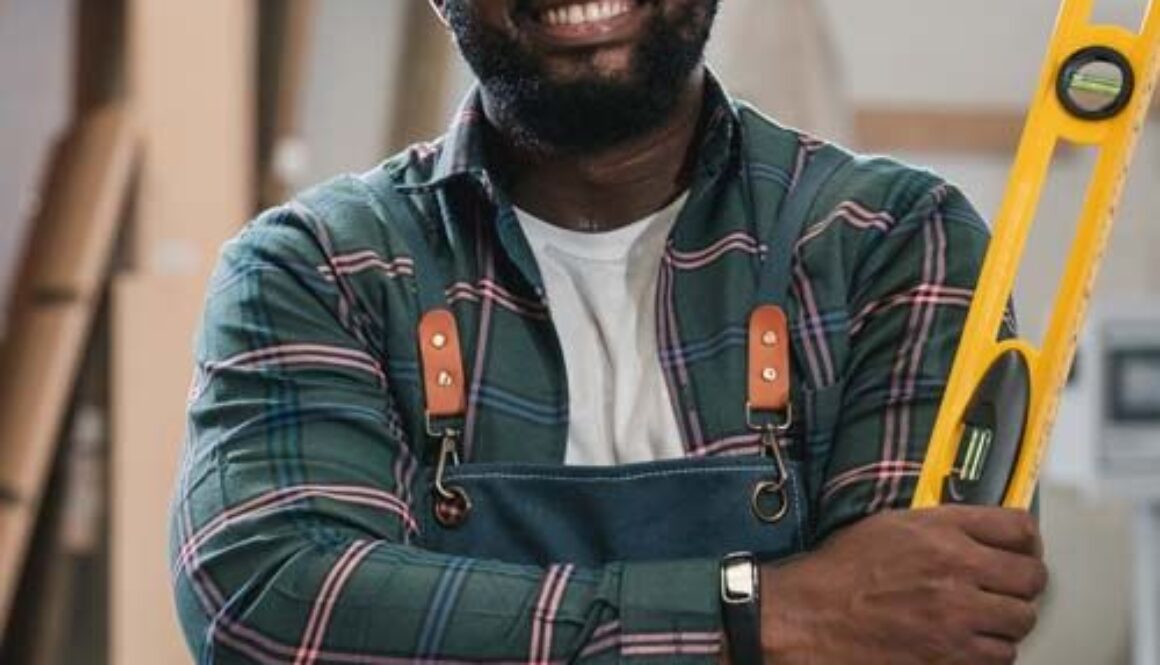
This is where the power of connecting local skills with daily needs transforms lives. Kenya is home to thousands of skilled carpenters—talented men and women who have mastered their craft through years of apprenticeship under seasoned fundis, technical training at polytechnics across the country, or generations of woodworking tradition passed down through families. These professionals understand the unique demands of Kenyan homes, from the humid coastal conditions that warp ordinary wood to the dry upcountry climate that cracks poorly seasoned timber. They know which woods thrive in Mombasa’s salt air versus which suit the cooler highlands of Kericho. They can build that custom bookshelf to fit your oddly shaped corner, repair that heirloom chair your grandmother brought from the village, or craft fitted wardrobes that maximize every inch of your Nairobi apartment.
The Real Cost of Ignoring Furniture Issues
Let’s talk about that table that needs fixing. Maybe the joints have loosened after years of family dinners and homework sessions. Perhaps the surface is scarred with hot-pot rings and water stains that no amount of polishing hides. Or maybe your growing family has simply outgrown the furniture you bought when you first moved in, and now storage is a daily battle. In Kenya’s housing market, where space comes at a premium and every square foot matters, poorly functioning furniture doesn’t just look bad—it steals functionality from your home.
Beyond the inconvenience, there’s the waste. Too many Kenyans replace rather than repair, sending solid wood pieces to landfills while buying flimsy flat-pack alternatives that won’t survive a single rainy season transport. A skilled carpenter can restore that wobbling dining set to stability, transform that unused corner into productive storage, or build a bed frame that will last your children through their teenage years. The cost of quality craftsmanship pays itself back many times over in durability and satisfaction.
Yet many families live with broken furniture not because they don’t want it fixed, but because finding a carpenter who shows up, listens, and delivers quality work feels like a lottery. The fear of paying a deposit and never seeing the fundi again, of receiving work that looks nothing like what was agreed, or of discovering the “mahogany” used was actually cheap softwood keeps too many homes stuck with furniture that doesn’t serve them.
Bridging the Gap: Technology Meets Local Expertise
The beauty of modern skill-matching platforms lies in their simplicity. Imagine noticing your kitchen cabinet finally surrendering its hinges, pulling out your phone, and within minutes connecting with a qualified carpenter who is actually in your area. No more driving to Gikomba market hoping to find someone available. No more waiting weeks for a workshop to “get to your job.” No more wondering if the person measuring your space will remember the dimensions by the time they reach their saw.
For carpenters, this connection is equally transformative. Many skilled woodworkers in Kenya operate from small, well-equipped workshops in residential areas or run mobile services that bring the workshop to you. They possess extraordinary talent—some can look at a photo and replicate a design, others can salvage wood from demolished buildings and turn it into stunning statement pieces—yet struggle with inconsistent work flow. Not because Kenyans don’t value quality furniture, but because the bridge between craft and customer is broken. They rely on foot traffic past their workshop, occasional word-of-mouth, or hope that a previous client will remember their number. A dedicated platform changes this entirely. It puts their portfolio in front of homeowners who need them, right when inspiration strikes or necessity demands. It allows them to showcase finished work through photos, build a reputation based on real reviews, and turn their craft into a thriving, sustainable business.
This isn’t about replacing the personal negotiation that defines Kenyan carpentry culture—it’s about making that relationship accessible and reliable. When a carpenter arrives at your home through a trusted connection, they come with context: they understand local wood availability, they know the styles popular in your estate, and they have a professional reputation to maintain within your community. The technology simply opens the door; the craftsmanship and conversation remain authentically Kenyan.
Building Trust, One Joint at a Time
Trust is the foundation of any successful carpentry project, and it’s particularly crucial when someone is building furniture for your home. You’re not just hiring someone to hammer nails; you’re inviting them to shape the spaces where your family will live, eat, sleep, and grow. A reliable platform builds this trust through transparency—clear pricing, portfolios of past work, and honest customer feedback.
For Kenyan homeowners, this transparency is revolutionary. No more wondering if the quoted price includes finishing or if varnish will cost extra. No more discovering that the “solid wood” promised is actually MDF with a veneer. No more accepting delivery dates that stretch from “next week” to “next month” with no accountability. Professional carpenters who embrace these platforms demonstrate their commitment to quality, providing detailed quotes, showing up when promised, and delivering work that matches the vision discussed.
Empowering Communities Through Local Skills
At its heart, connecting local carpenters with daily needs is about community empowerment. When you hire a carpenter from your own neighborhood or city, you’re keeping money within the local economy. You’re supporting an artisan who might be training young apprentices from the community, preserving woodworking skills that risk being lost to mass manufacturing. You’re choosing sustainability over disposable consumerism, investing in pieces that can be repaired and passed down rather than replaced every few years.
For the carpenter building your bookshelf, that job isn’t just a paycheck—it’s creative fulfillment, it’s the ability to invest in better tools and quality timber, it’s the pride of seeing their work become part of a family’s daily life. For the homeowner, it’s the satisfaction of a home that truly works for you, where every piece of furniture earns its place and every corner serves a purpose. This mutual benefit is what makes skill-matching platforms so powerful in the Kenyan context.
Your Next Step
That wobbly chair won’t steady itself, and you shouldn’t have to settle for furniture that frustrates you daily. Whether you’re in Kileleshwa or Umoja, Nakuru or Malindi, skilled carpenters are ready to help—they just need to know you need them. The future of home craftsmanship in Kenya is local, connected, and built on trust. It’s time to stop living with broken furniture and start experiencing the joy of pieces made specifically for your space, your needs, and your taste.
Because at the end of the day, a well-crafted home isn’t a luxury—it’s the foundation of daily comfort. And everyone in Kenya deserves to live beautifully.